What Is a 1031 Exchange and How Does It Work?
A properly structured 1031 exchange lets real estate investors defer capital gains tax indefinitely. Here's exactly how it works — and the deadlines that trip up most investors.
The core idea
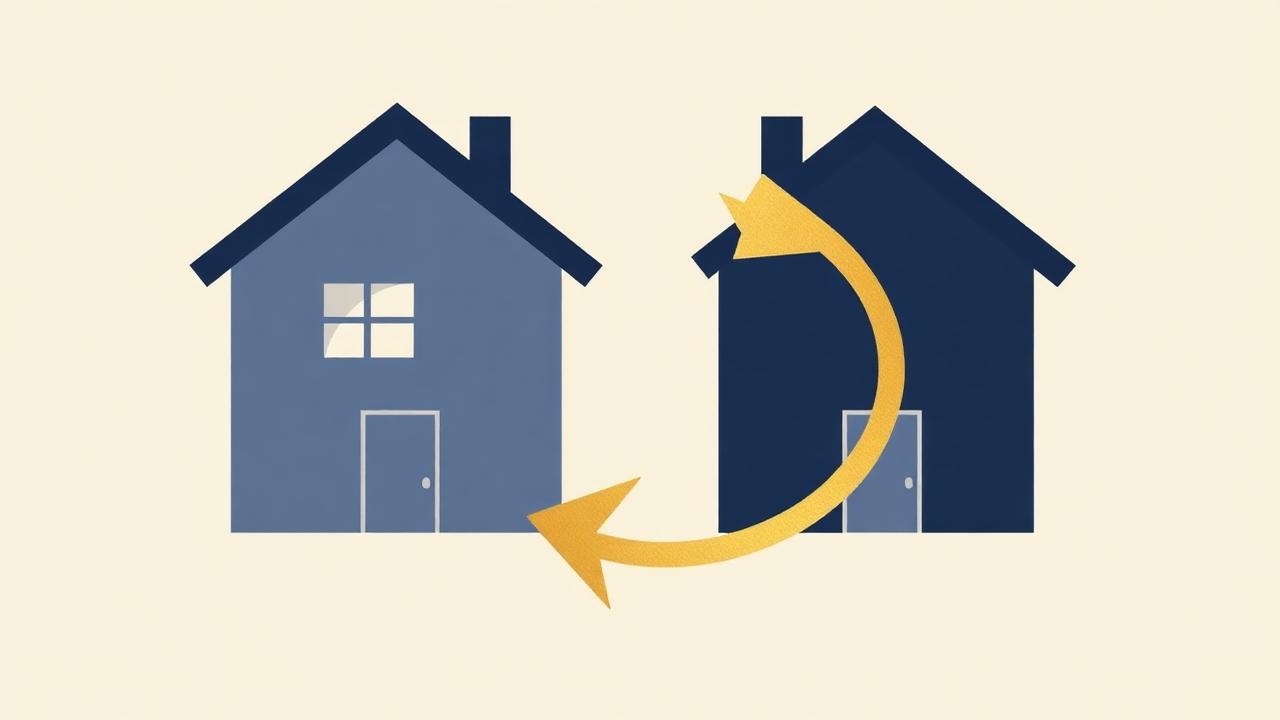
Under Section 1031 of the Internal Revenue Code, an investor can sell a qualifying real estate asset and reinvest the proceeds into 'like-kind' real estate, deferring capital gains tax and depreciation recapture on the sale. Done correctly, the tax bill is pushed forward — potentially indefinitely.
What qualifies as 'like-kind'?
After the 2017 Tax Cuts and Jobs Act, 1031 applies only to real property held for productive use in a trade or business or for investment. Almost any U.S. investment real estate qualifies as like-kind to almost any other U.S. investment real estate — apartment for raw land, retail for warehouse, single-family rental for office building.
Primary residences and personal property do NOT qualify.
The two deadlines you cannot miss
Both clocks start the day the relinquished property closes:
- 45-day identification period: you must identify replacement property in writing to your Qualified Intermediary
- 180-day completion period: you must close on the replacement property
These deadlines are absolute. There are no extensions for weather, financing, or family emergencies (except in narrow federally declared disaster scenarios).
Qualified Intermediary: not optional
You cannot touch the sale proceeds. Funds must flow to a Qualified Intermediary (QI) — an independent third party who holds the money and conveys it to the seller of the replacement property. Receiving the cash, even for a day, triggers immediate taxation on the entire gain. Engage the QI BEFORE closing.
Identification rules
Within 45 days, you can use one of three identification methods:
- Three-property rule: identify up to 3 properties of any value
- 200% rule: identify any number of properties whose total value ≤ 200% of relinquished property value
- 95% rule: identify any number of properties of any value, but must close on at least 95% of total identified value
Most investors use the three-property rule.
Boot — the partial-tax trap
'Boot' is any non-like-kind value you receive — typically cash left over, debt relief, or personal property. Boot is taxable. To fully defer the gain, the replacement property must be of equal or greater value AND equal or greater debt.
Common mistakes
- Engaging the QI too late (after closing)
- Missing the 45-day identification by even one day
- Underestimating debt — buying down debt creates taxable boot
- Identifying a property the seller refuses to sell at the required price
- Using a related party as QI (disqualified)
- Trying to 1031 a primary residence or flip property held primarily for resale
The 'swap till you drop' strategy
Investors who hold real estate until death can use 1031 exchanges throughout their lifetime. At death, heirs receive a stepped-up basis equal to fair market value — wiping out the deferred gain entirely. It's the most powerful estate-planning tool in real estate investing.
Frequently asked
Can I do a 1031 on my primary residence?+
No. Section 1031 is for investment or business-use real property. Primary residences use the Section 121 exclusion instead.
What is a reverse 1031?+
An exchange where you acquire the replacement property before selling the relinquished one. They're allowed but more complex and expensive — typically requiring an Exchange Accommodation Titleholder.
Can I exchange into a property I already own?+
No. Replacement property must be newly acquired through the exchange.
Are there state-level 1031 issues?+
Some states (notably California) have 'clawback' rules requiring you to file annual reports tracking deferred gain on out-of-state replacement property.
The ADK Real Estate Team builds tools for realtors and the clients they serve — financial intelligence, listing performance, and the reports that win listings.
Win the listing with better reports
Net Sheet, True Payment, Wealth Report, Listing Health, and Seller Update — branded for your business.